Solar Panels in Pakistan: 2026 Guide to Types, Costs, and Choosing a Company
Panel technology has moved fast over the past few years, and picking the wrong one can mean losing output for two decades. This guide breaks down the solar panels in Pakistan currently available in 2026, how they compare, and what actually separates a reliable solar company from one that disappears after installation.
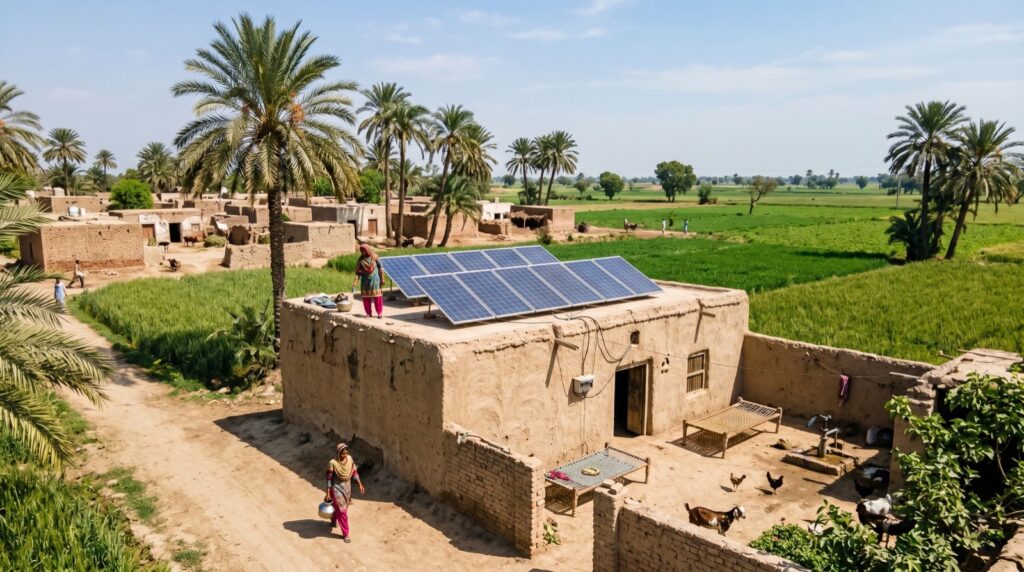
With grid electricity prices still climbing and net metering now well established in most major cities, more households are treating solar as a necessity rather than a luxury upgrade. The panel you choose today will likely still be generating power in 2046, so getting the decision right matters.
Why Panel Choice Still Matters in 2026
Not all solar panels in Pakistan perform the same under local conditions. High ambient temperatures reduce output efficiency across all panel types, but some technologies tolerate heat better than others. Dust accumulation from seasonal weather also affects panels differently depending on their surface coating and frame design.
Main Types of Solar Panels Available
Monocrystalline Panels
Monocrystalline panels use single-crystal silicon cells and deliver the highest efficiency per square meter, typically 20-23%. They cost more upfront but make sense when roof space is limited and you need maximum output from a smaller area.
Polycrystalline Panels
Polycrystalline panels use multiple silicon crystals fused together, bringing the cost down at the expense of slightly lower efficiency, usually 15-18%. They remain a solid choice for larger roofs where space isn’t the limiting factor.
Bifacial Panels
Bifacial panels capture sunlight on both the front and back surfaces, picking up extra generation from reflected light off rooftops or ground-mounted racking. They’ve become increasingly common in commercial installations across Pakistan in 2026 due to their higher lifetime yield.
- Monocrystalline: highest efficiency, best for tight roof space, premium pricing
- Polycrystalline: budget-friendly, needs more roof area for the same output
- Bifacial: higher yield over time, works best with elevated ground-mount or reflective rooftop surfaces
Comparison Table: Panel Types at a Glance
| Panel Type | Efficiency | Lifespan | Best For |
|---|---|---|---|
| Monocrystalline | 20-23% | 25-30 years | Small roofs, premium builds |
| Polycrystalline | 15-18% | 20-25 years | Large roofs, budget projects |
| Bifacial | Up to 25% effective | 25-30 years | Commercial, ground-mount setups |
What Determines Solar Panel Quality?
Datasheets alone don’t tell the full story. Reputable manufacturers test panels against internationally recognized standards for durability, including resistance to hail, wind load, and thermal cycling. Panels certified under IEC 61215 and IEC 61730, standards referenced by major manufacturers such as LONGi Solar, undergo accelerated aging tests that simulate 20+ years of outdoor exposure before certification. Asking any supplier whether their panels carry this certification is one of the fastest ways to filter out low-quality stock.
How Do I Choose the Right Solar Company in Pakistan?
Panel quality is only half the equation — the company selling and installing them determines whether that quality is realized. A trustworthy solar company in Pakistan should offer transparent product sourcing, a written performance warranty (typically 25 years on panel output), and a workmanship warranty separate from the manufacturer’s terms.
- Ask for the exact panel brand and model, not just “Tier 1 panels” as a vague label.
- Request the manufacturer’s datasheet and confirm certification numbers.
- Check whether the company offers after-sales service, not just a one-time installation.
- Read reviews or ask for references from installations completed at least two years ago, since early degradation issues show up by then.
- Compare at least two quotations to understand whether pricing reflects panel quality or just a lower margin.
Understanding Panel Warranties Before You Sign
Most reputable panels carry two separate warranties, and buyers often confuse the two. A product warranty covers manufacturing defects, usually for 10-12 years. A performance warranty guarantees the panel still produces a minimum percentage of its original output — commonly 80-87% — at the 25-year mark.
Always ask whether the warranty is backed by the manufacturer directly or only by the local distributor. A manufacturer-backed warranty survives even if your installer closes down, while a distributor-only warranty can become worthless if that business disappears. This single question has saved buyers significant money when panels degraded faster than expected years into ownership.
Mounting Structure and Roof Type Matter Too
Panel performance also depends on the mounting structure beneath it. Galvanized steel or aluminum racking resists corrosion far better than untreated steel, which is important given the humidity swings during Pakistan’s monsoon season. Flat concrete roofs typically need tilted racking frames set at an angle close to the site’s latitude, while pitched roofs may only need standard rail-and-clamp mounting.
- Confirm the racking material is rated for outdoor corrosion resistance, not just indoor-grade steel
- Check that mounting bolts and brackets carry a matching warranty period to the panels themselves
- Ask whether the installer calculates wind load for your specific roof height and region
Finding Reputable Service Experts
Installation quality affects panel performance as much as the panel itself does. Poorly angled racking, inadequate ventilation gaps, or incorrect string wiring can all cut into your expected output. Just as businesses seek out reputable service experts before trusting a specialized project, solar buyers should apply the same standard — vet the installer’s technical credentials, not just their sales pitch.
Frequently Asked Questions
Which solar panel type is best for homes in Pakistan?
Monocrystalline panels suit most homes with average-sized rooftops because they deliver strong output without requiring excessive roof space. Larger homes with ample roof area can save money with polycrystalline panels instead.
How much do solar panels cost in Pakistan in 2026?
Pricing varies by brand, wattage, and panel type, but per-watt costs have generally stabilized compared to the sharp fluctuations seen in prior years. Buyers should request current, itemized quotes rather than relying on outdated pricing found online.
Do solar panels lose efficiency over time?
Yes, all panels degrade gradually, typically around 0.5-0.8% per year. Quality monocrystalline and bifacial panels tend to degrade more slowly than older polycrystalline designs, which is reflected in their longer performance warranties.
How often should solar panels be cleaned in Pakistan’s climate?
Dust accumulation is significant in most regions of Pakistan, so cleaning every 4-6 weeks during dry months helps maintain output. Areas near agricultural land or construction sites may need more frequent cleaning.
Final Thoughts
Choosing solar panels in Pakistan in 2026 comes down to matching panel technology to your roof space and budget, then verifying both the panel’s certification and the installing company’s track record. A slightly higher upfront cost for certified, well-installed panels almost always pays for itself through better output and fewer service issues over the system’s 25-year lifespan.